Leg Workout at Home: Build Lower-Body Strength Without the Gym
By:Author:High.diet Editorial
Updated on:October 20, 2026
- Can a Bodyweight Leg Routine Actually Build Strength?
- Home Leg Day or Gym Leg Day: Weighing the Choice
- Why Skipping the Commute Keeps Leg Day Happening
- Adjusting Your Leg Routine to Fit Your Situation
- Making Leg Training Stick Across a Normal Week
- No, You Can't Spot-Reduce Fat From Your Thighs
- Turning a Home Leg Workout Into a Daily Habit With High.diet
- Starting Your First Home Leg Session Today
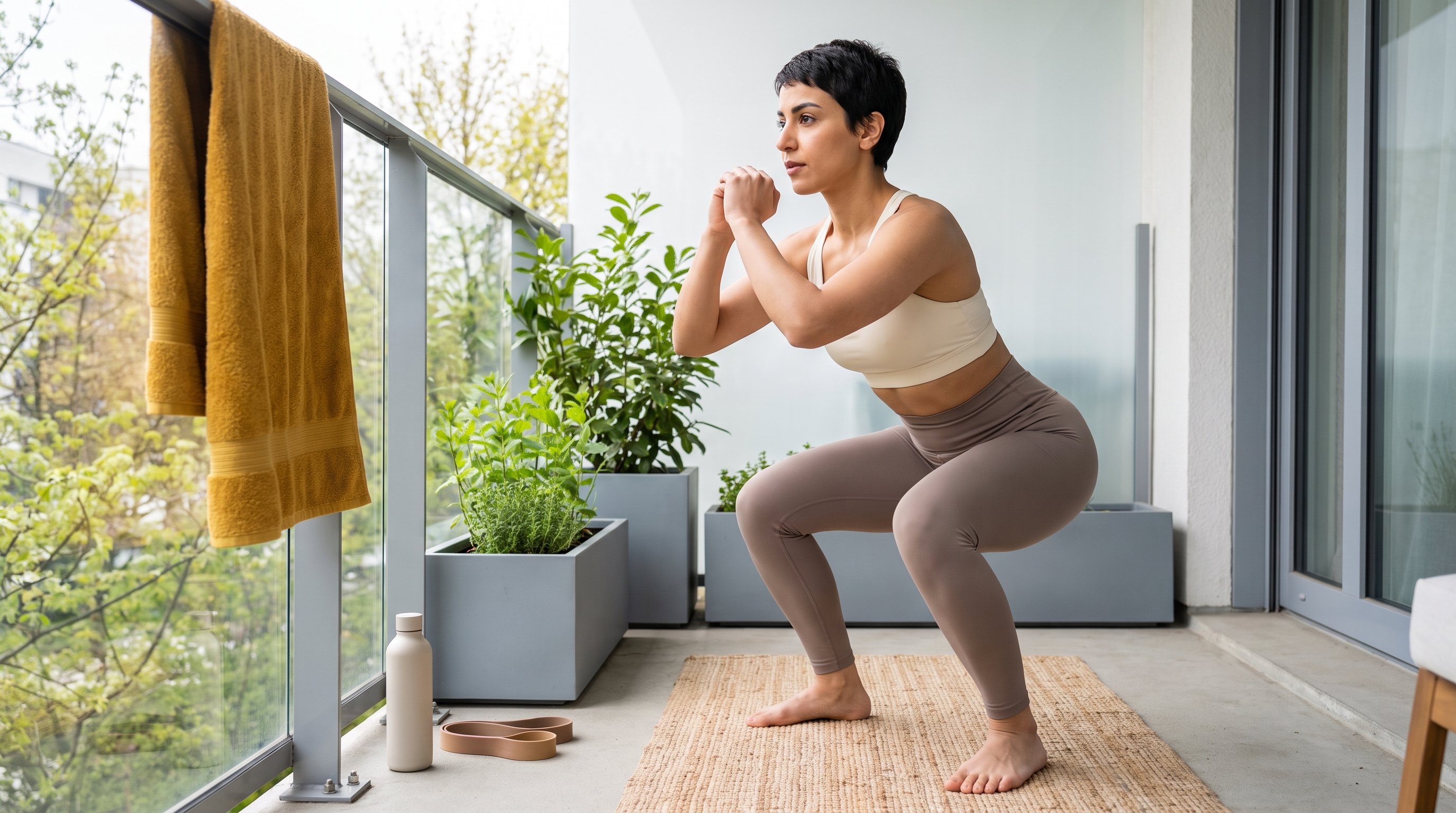
A leg workout at home works when it uses enough resistance and enough reps to make your muscles work hard, and bodyweight moves like squats, lunges and step-ups can do exactly that. No machine required.
Muscles respond to tension and effort, not the brand of equipment creating it. A slow, controlled bodyweight squat done to near-fatigue sends the same growth signal as a loaded barbell squat at a lighter relative effort.
This guide covers whether home leg training actually works, how it stacks up against the gym, who needs to adjust it, and how to keep it going past week one.
Can a Bodyweight Leg Routine Actually Build Strength?
Yes, within limits. Strength and muscle growth both depend on progressive overload - gradually asking the muscle to do more than it's used to.
With bodyweight training, you create that overload by adding reps, slowing the tempo, reducing rest, or switching to a single-leg version of the move instead of adding plates.
The Arithmetic Behind It
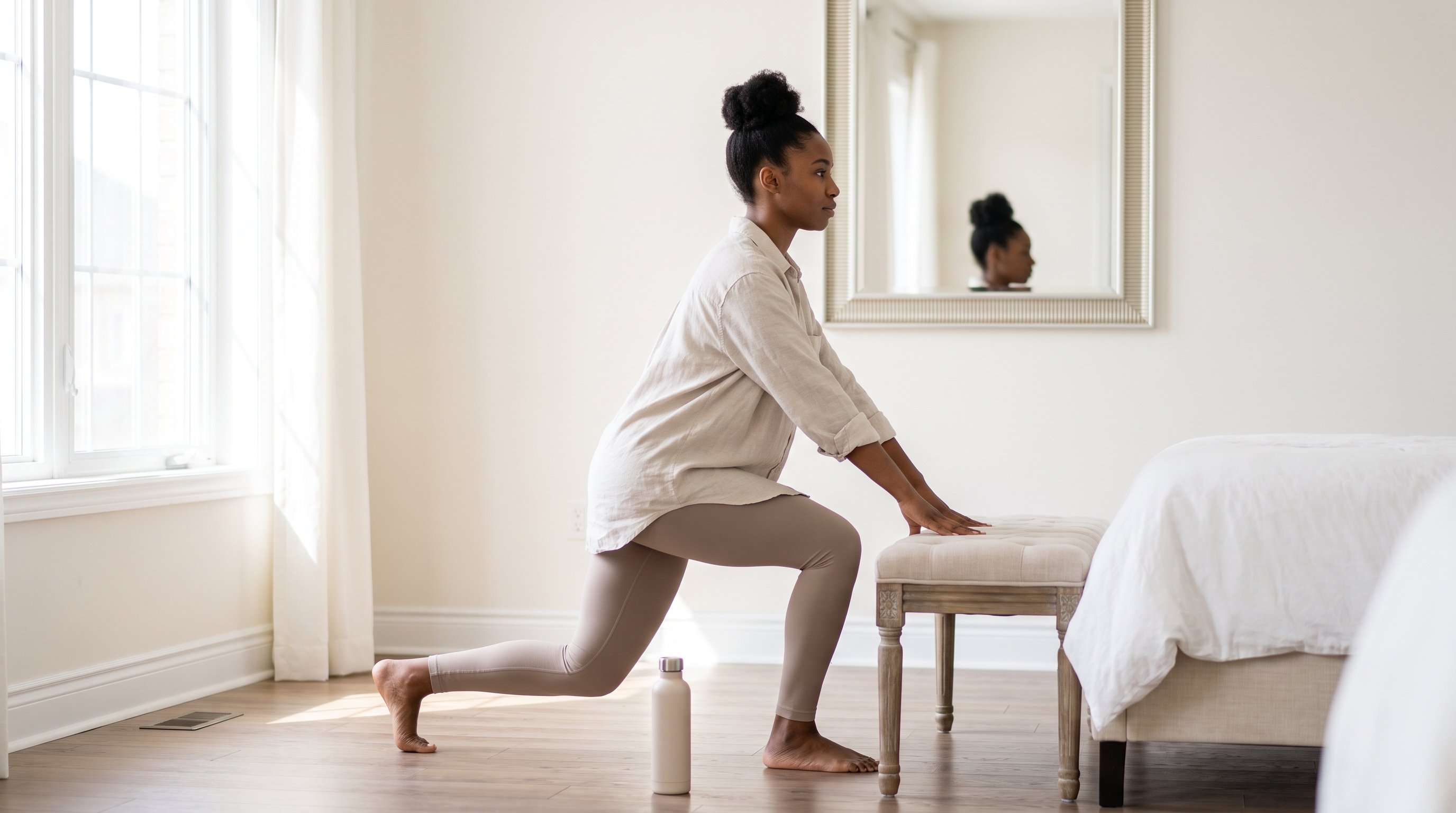
A bodyweight squat holding your own weight at, say, 70kg asks your quads and glutes to move that load through a full range, repeatedly. A single-leg split squat at the same bodyweight roughly doubles the load on the working leg, because one leg now carries what two used to share.
That's how home training keeps delivering a training effect long after basic squats stop feeling hard - you're not adding weight, you're changing how the load is distributed and volume instead.
The ceiling is real eventually. At some point, bodyweight-only training plateaus for raw strength, but for most people starting out, that ceiling is months away, not days.
Home Leg Day or Gym Leg Day: Weighing the Choice
The honest comparison isn't which one builds more muscle in theory - it's which one you'll actually do this week and next week.
| Factor | Home Workout | Gym Workout |
|---|---|---|
| Setup time | Under 1 minute | Travel plus changing |
| Equipment needed | None required | Racks, machines, plates |
| Cost | Free | Membership fees |
| Progression method | Reps, tempo, load distribution | Added weight plates |
| Best for | Consistency, busy weeks | Maximal strength later |
Neither option is wrong. The gym offers a longer runway for pure strength numbers, but home training removes nearly every barrier that stops a session from happening at all.
Why Skipping the Commute Keeps Leg Day Happening
The best leg workout is the one that gets repeated, and repetition is where gym plans usually lose.
A gym session carries hidden costs: getting there, waiting for equipment, getting changed, getting home. Each one is a small chance to talk yourself out of it.
A home leg workout removes those steps entirely - you clear a small space, do the session, and get on with your day.
Fewer decision points mean fewer excuses, and fewer excuses is what turns a plan into a habit instead of a good intention.
Adjusting Your Leg Routine to Fit Your Situation
If You're Starting From Zero
Begin with bodyweight squats, glute bridges and step-ups at a slower tempo, focusing on full range of motion before worrying about reps. Two or three short sessions a week is plenty to start seeing the moves feel easier.
If Your Week Is Already Packed
A 15-minute circuit of squats, lunges and calf raises done back-to-back still counts as a real session. Short and consistent beats long and occasional every time.
If You're Training Later in Life
Use a chair or counter for balance support during squats and lunges, and prioritise control over speed. Joint-friendly versions of the same moves still build strength - they just ask for patience instead of intensity.
If You've Trained Before and Want More Challenge
Single-leg squats, Bulgarian split squats and slow eccentric lowers (counting four seconds down) add intensity without a single piece of equipment. These variations make one leg do the work two used to share.
Making Leg Training Stick Across a Normal Week
A leg routine only works if it survives contact with a real week - the late meetings, the tired evenings, the days that don't go to plan.
Keeping sessions short and fixed to a time slot, rather than 'whenever there's time', is what gets them actually done.
This is where tracking helps more than motivation does. High.diet keeps steps, water intake and weight in one place, so you can see your training pattern alongside the rest of your routine instead of guessing at it.
Pairing a simple leg circuit with a meal plan built around food you already like takes the guesswork out of the two things that actually move the needle: moving more and eating consistently.
No, You Can't Spot-Reduce Fat From Your Thighs
A common hope is that squats and lunges will melt fat specifically off the legs. That's not how the body works.
Fat loss happens across the whole body, driven by an overall calorie deficit, not by which muscle you're training that day. Doing hundreds of lunges doesn't tell your body to pull fat from your thighs first.
The real value of a leg workout is strength, muscle tone and function - stronger legs make stairs, carrying groceries and daily movement easier regardless of what the scale says.
If visible change in body composition is the goal, that comes from training consistently and managing your overall eating pattern together, not from targeting one body part.
Turning a Home Leg Workout Into a Daily Habit With High.diet
Doing the workout is one part of the equation - the other is what happens at the table afterwards.
High.diet pairs a tailored high-protein meal plan with light exercise sessions, so your training has something to build on instead of working against an inconsistent diet.
The app's progress tracker keeps steps, water and weight visible day to day, and its challenges give you small, specific goals to chase instead of vague resolutions.
For anyone who wants their leg sessions to actually add up to something over time, High.diet gives the nutrition and tracking side a structure that's easy to keep following.
Build Your Protein Diet
Protein Focused Eating
Starting Your First Home Leg Session Today
The simplest way to begin is to pick three moves - a squat, a lunge and a step-up or calf raise - and do them for ten minutes today, no equipment needed.
Build from there: add a set next week, slow the tempo the week after, and let the routine grow with your body instead of forcing it all at once.
If you want the eating side sorted alongside the training, High.diet handles the meal planning and tracking so the rest of the habit can fall into place.
FAQ
Yes - bodyweight squats, lunges and step-ups create enough resistance to build strength and muscle, especially when you add reps, slow the tempo, or switch to single-leg versions. Progress continues for months before bodyweight training alone reaches its ceiling.
Machines offer easier ways to add heavy external load, but for most people the limiting factor isn't the equipment - it's whether the session happens at all. A home routine that gets done consistently beats a gym plan that gets skipped.
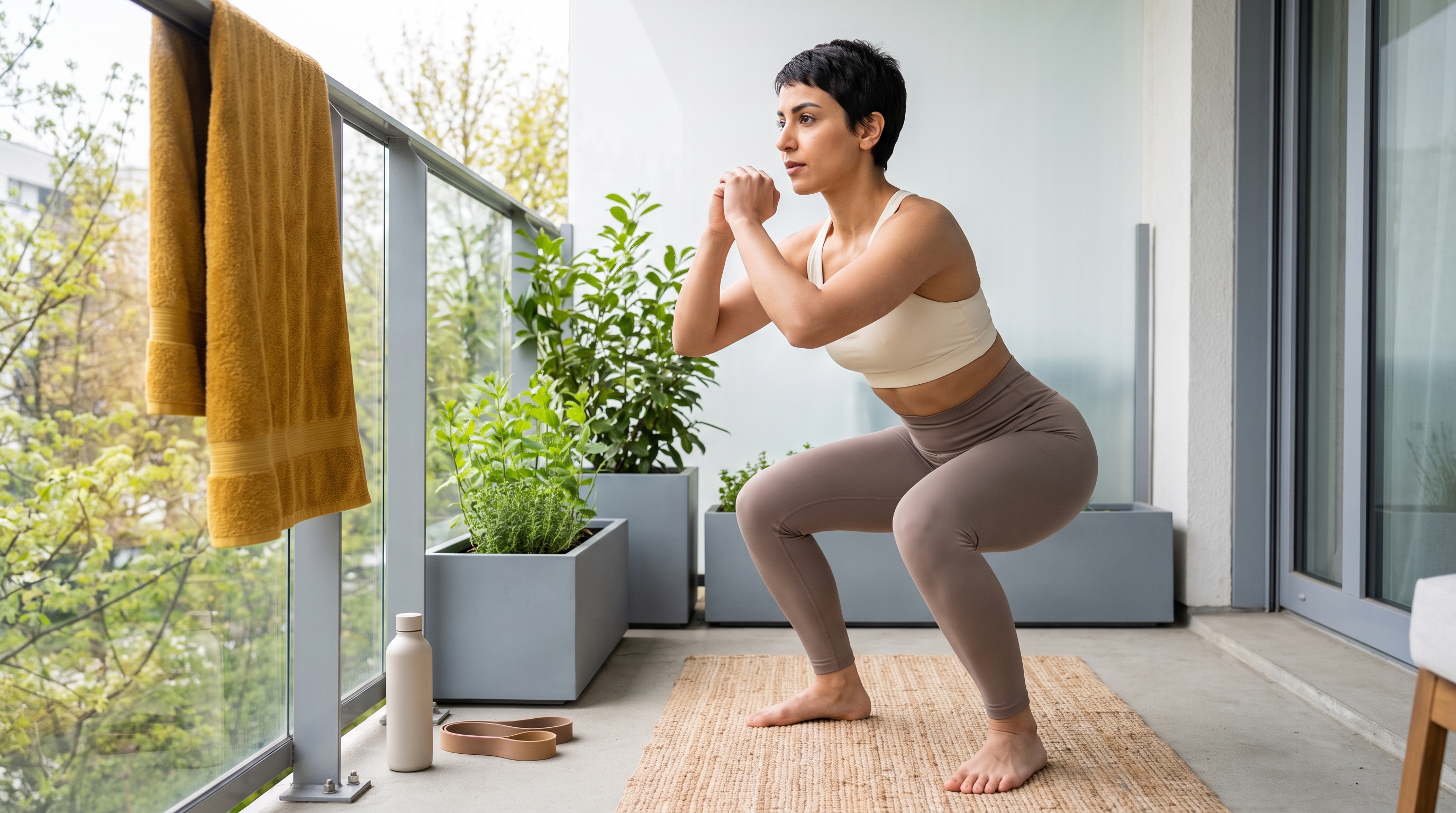
A leg circuit needs roughly the space of a yoga mat, since squats, lunges and glute bridges all work within that footprint. Ten minutes of floor space is usually all it takes.
Sessions that feel open-ended or vague tend to get skipped first, while fixed, short routines tend to survive busy weeks. Using our tracking app and challenges to keep the habit visible is one way to stay consistent once the first few weeks of novelty wear off.
Share this post