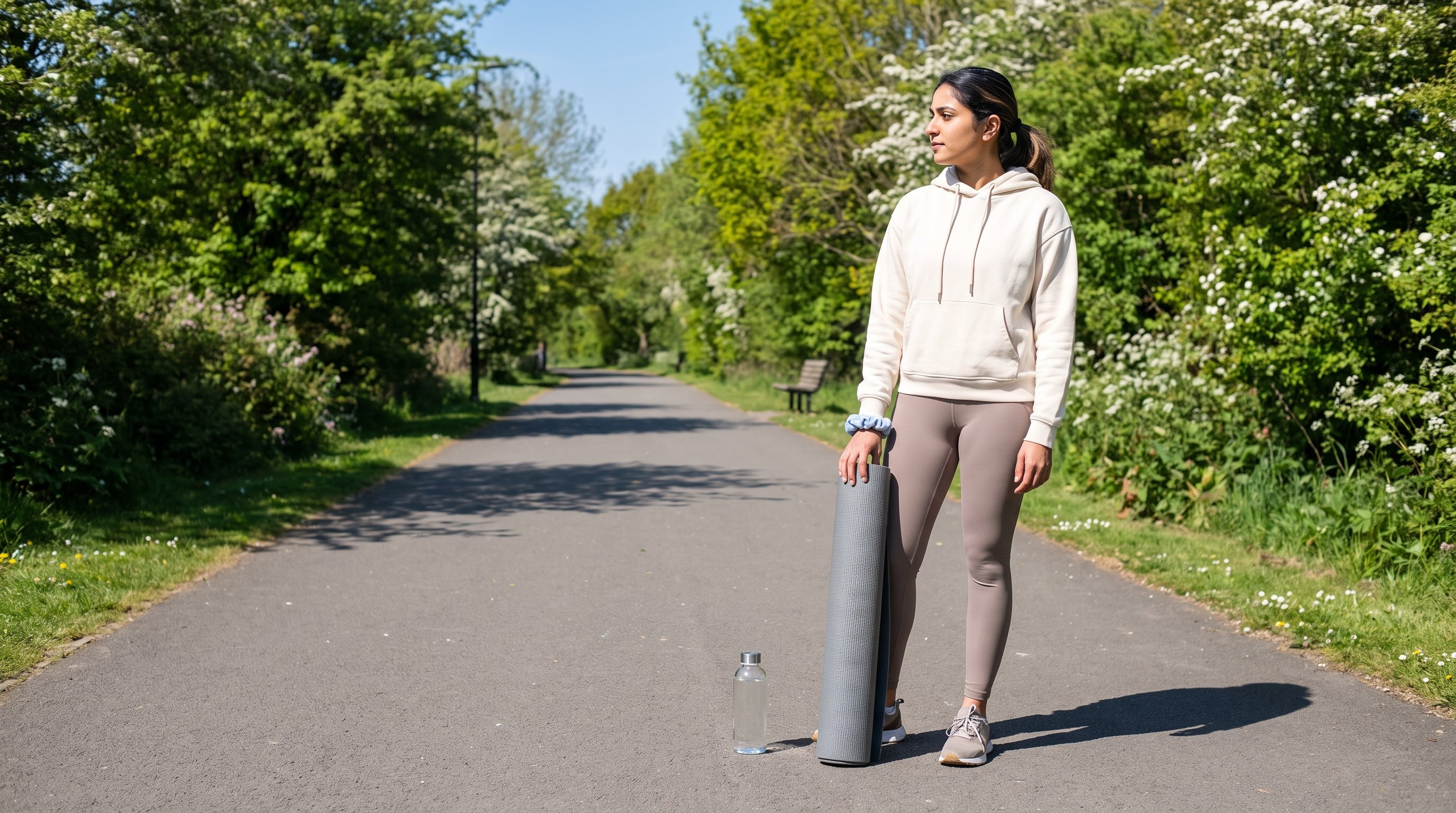
Calisthenics for Beginners: How to Fit Workouts Into Real Weeks
By:Author:High.diet Editorial
Updated on:October 20, 2026

- No, You Cannot Target One Muscle to Tone It
- The Mechanics Behind Bodyweight Strength Gains
- Three Factors That Decide Your Calisthenics Progress
- A Beginner Calisthenics Week You Can Copy
- Making Calisthenics Work on a Packed Schedule
- What the Early Weeks of Calisthenics Actually Feel Like
- Mistakes That Quietly Derail Beginner Calisthenics
- Pairing Calisthenics With High.diet's Daily Tools
- Starting Calisthenics Without Overthinking It
Calisthenics for beginners works because it uses your own bodyweight as resistance, and that resistance is enough to build real strength without a gym membership or equipment.
The mechanism is simple: muscles respond to tension and effort, not to the brand of equipment creating it. A push up loads your chest, shoulders and arms the same way a bench press does, just at a different angle.
This guide covers what calisthenics actually does, how to structure a first week, what a realistic routine looks like, and the mistakes that trip up most people before week four.
No, You Cannot Target One Muscle to Tone It
A lot of beginners start calisthenics hoping squats will slim the thighs or crunches will flatten the stomach. That is not how bodies work - you cannot choose where fat comes off, no matter how many reps you do of one move.
Your body draws on stored energy from all over, based on genetics and overall energy balance, not on which muscle you just trained. What calisthenics does deliver is honest: stronger muscles, better movement control and more stamina, spread across the whole body as you train it.
The real answer for anyone chasing a leaner look is pairing consistent training with an eating pattern that holds a deficit - calisthenics builds the muscle, your overall habits decide the rest.
The Mechanics Behind Bodyweight Strength Gains
Calisthenics is not a lesser version of weight training - it is the same principle of progressive overload, applied with leverage and angles instead of added plates.
Progressive Overload Without Added Weight
Your muscles grow when they are asked to do more than they are used to, and with bodyweight training that extra demand comes from harder variations, slower tempo or more reps, not heavier dumbbells.
Why Beginners Recover Faster Than They Expect
Bodyweight moves are usually lower impact on joints than loaded lifts, so early soreness tends to settle within a few sessions once your body adapts to the new movement patterns.
Three Factors That Decide Your Calisthenics Progress
Some beginners see steady strength gains and others stall fast. The difference usually comes down to three things.
What Actually Moves the Needle
- Consistency over intensity - three short sessions a week, kept up for months, beat one brutal session that leaves you too sore to train again.
- Progression you can measure - moving from knee push ups to full push ups, or adding a rep each week, gives your body a reason to keep adapting.
- Recovery between sessions - muscles rebuild stronger on rest days, so skipping rest or under-eating protein slows the whole process down.
A Beginner Calisthenics Week You Can Copy
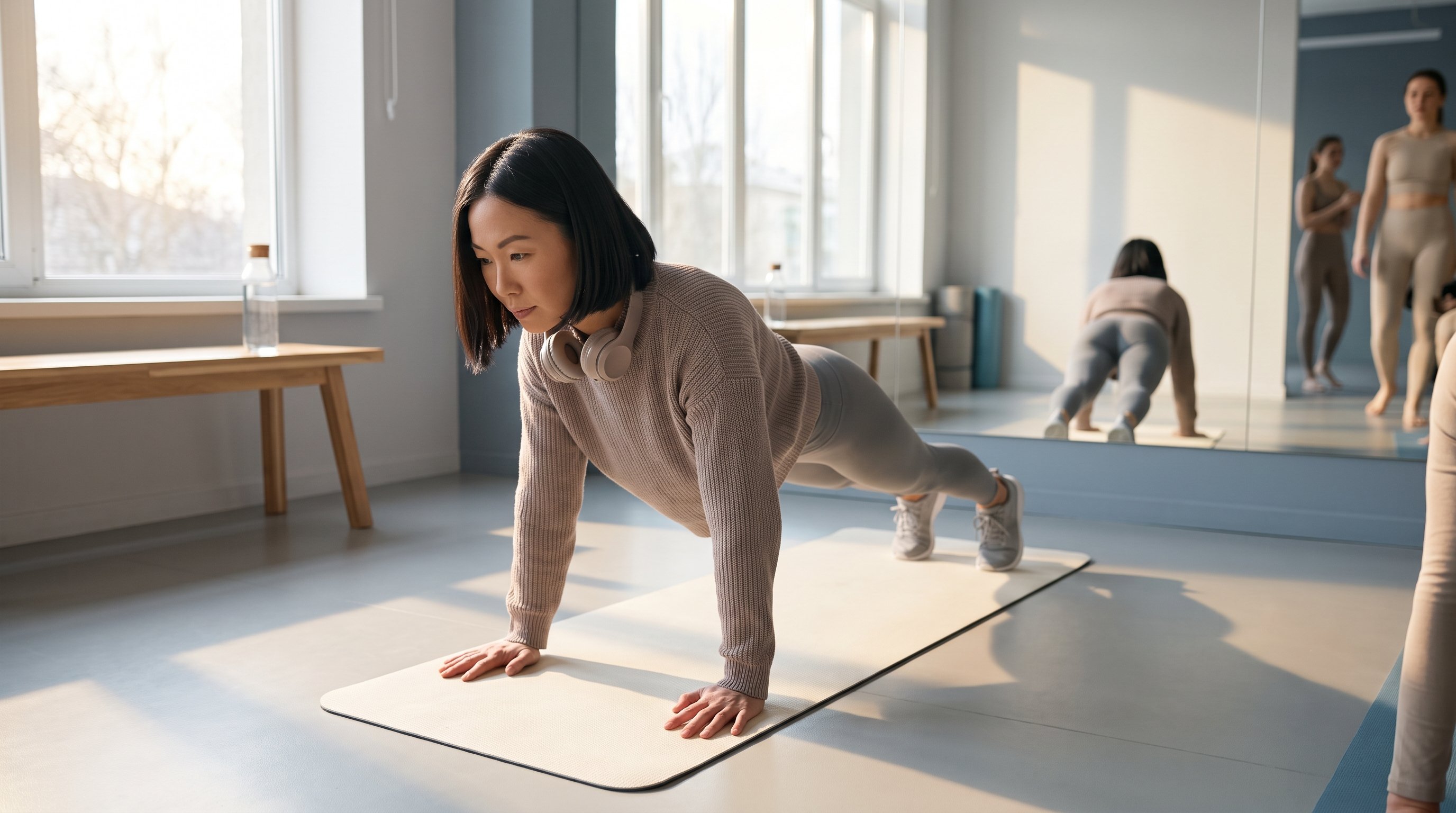
Here is a simple weekly structure that fits around a normal schedule and does not demand a gym or equipment.
| Day | Focus |
|---|---|
| Monday | Push ups, squats, plank |
| Tuesday | Rest or short walk |
| Wednesday | Lunges, glute bridges, rows |
| Thursday | Rest or stretching |
| Friday | Full body circuit, light pace |
| Weekend | Rest, optional walk |
Making Calisthenics Work on a Packed Schedule
Most beginners quit not because the moves are too hard, but because the routine does not survive contact with a real week - a late meeting, a tired evening, a missed alarm.
Shrinking a session to ten minutes on a bad day keeps the habit alive, and keeping the habit alive matters more than any single workout.
This is where having everything in one place helps - High.diet's light exercise sessions are built for exactly this, giving you guided low-impact routines alongside trackers for steps, water and weight so training does not become one more thing to plan from scratch.
What the Early Weeks of Calisthenics Actually Feel Like
The first couple of weeks often feel harder than expected - new movement patterns wake up muscles that have been quiet for a while, and soreness can be the main feedback you get.
Around the point where soreness fades, a lot of people quit anyway, because the visible change has not caught up with the effort yet.
Strength and control tend to show up before the mirror does, so the honest move is to judge progress by what you can now do - more reps, better form, less wobble - rather than by how you look on any given week.
Mistakes That Quietly Derail Beginner Calisthenics
Going All-In on Day One.
Doing the hardest variation of every move in week one leaves you too sore to train for the next week - start with easier versions and build up.
Skipping Rest Days Entirely.
Training sore muscles every day without recovery slows progress rather than speeding it up - rest days are part of the plan, not a break from it.

Chasing Reps Over Form.
Rushing through sloppy push ups or half squats trains the wrong pattern - slower, controlled reps build more strength than fast, careless ones.
Ignoring Food While Training Hard.
Muscles need building blocks to recover and grow, so training without enough protein in your day undercuts the whole effort.
Expecting a Straight Line.
Some weeks feel stronger than others for no obvious reason - sleep, stress and life all play a part, so judge progress over months, not single sessions.
Pairing Calisthenics With High.diet's Daily Tools
Calisthenics builds the strength side of the equation, but what you eat decides whether that effort shows up as real, lasting change.
High.diet pairs a high-protein meal plan built around food you already like with progress tracking for weight, water and steps, so the eating side of training does not need its own separate system.
Add in hand-selected challenges and guides written by nutrition experts, personal trainers and psychologists, and the whole approach - train, eat, track - sits in one place instead of three apps fighting for your attention.

Build Your Protein Diet
Protein Focused Eating
Starting Calisthenics Without Overthinking It
The best way to start calisthenics for beginners is the plainest one: pick three days this week, do the easiest version of each move, and show up again next week.
Pair that with a way of eating you can actually hold, and High.diet is built to make that half of the picture simpler while you focus on getting stronger.
FAQ
Calisthenics builds strength and burns some energy, but weight change comes down to your overall eating pattern over time. Training makes the deficit easier to hold, it does not replace it.
Yes - bodyweight resistance is real resistance, and harder variations keep challenging your muscles as you get stronger. Plenty of strength can be built with nothing more than floor space.
A shorter session, even ten minutes of push ups and squats, beats skipping the day entirely. High.diet's light exercise sessions are built around short, guided routines for exactly this kind of day.
Early gains often come from your nervous system learning the movement, and visible change takes longer to catch up. Sticking with progression and rest through this stage is usually what carries people past it.
Share this post