How to Eat More Protein: Practical Ways to Build Your Daily Intake
By:Author:High.diet Editorial
Updated on:October 19, 2026
- A Day of Meals That Hits a Higher Protein Target
- How Much Protein Actually Moves the Needle
- Why Small Food Swaps Beat a Full Diet Rebuild
- Making Higher Protein Eating Work on a Real Week
- Adjusting Protein Targets to Fit Different Situations
- What Changes Across the First Few Weeks of Eating More Protein
- Building a Higher Protein Routine With High.diet
- Turning Today's Lunch Into a Higher Protein Habit
The fastest way to eat more protein is to add a source to meals you already eat, rather than inventing new ones. A spoon of Greek yoghurt here, an extra egg there, and the daily total climbs without a single new recipe.
This works because protein is additive across the day. Your body doesn't care whether it came from breakfast or a snack at 4pm, it just counts toward the total you hit by bedtime.
This guide covers what a full day of higher protein eating looks like, how much to aim for, why small swaps beat a full meal-plan rebuild, and how to keep it going once the first week of enthusiasm fades.
A Day of Meals That Hits a Higher Protein Target
There's no need to overhaul every plate. Here's a sample day built from ordinary food, with protein stacked into each meal rather than saved for one big dose.
A Sample Higher-Protein Day
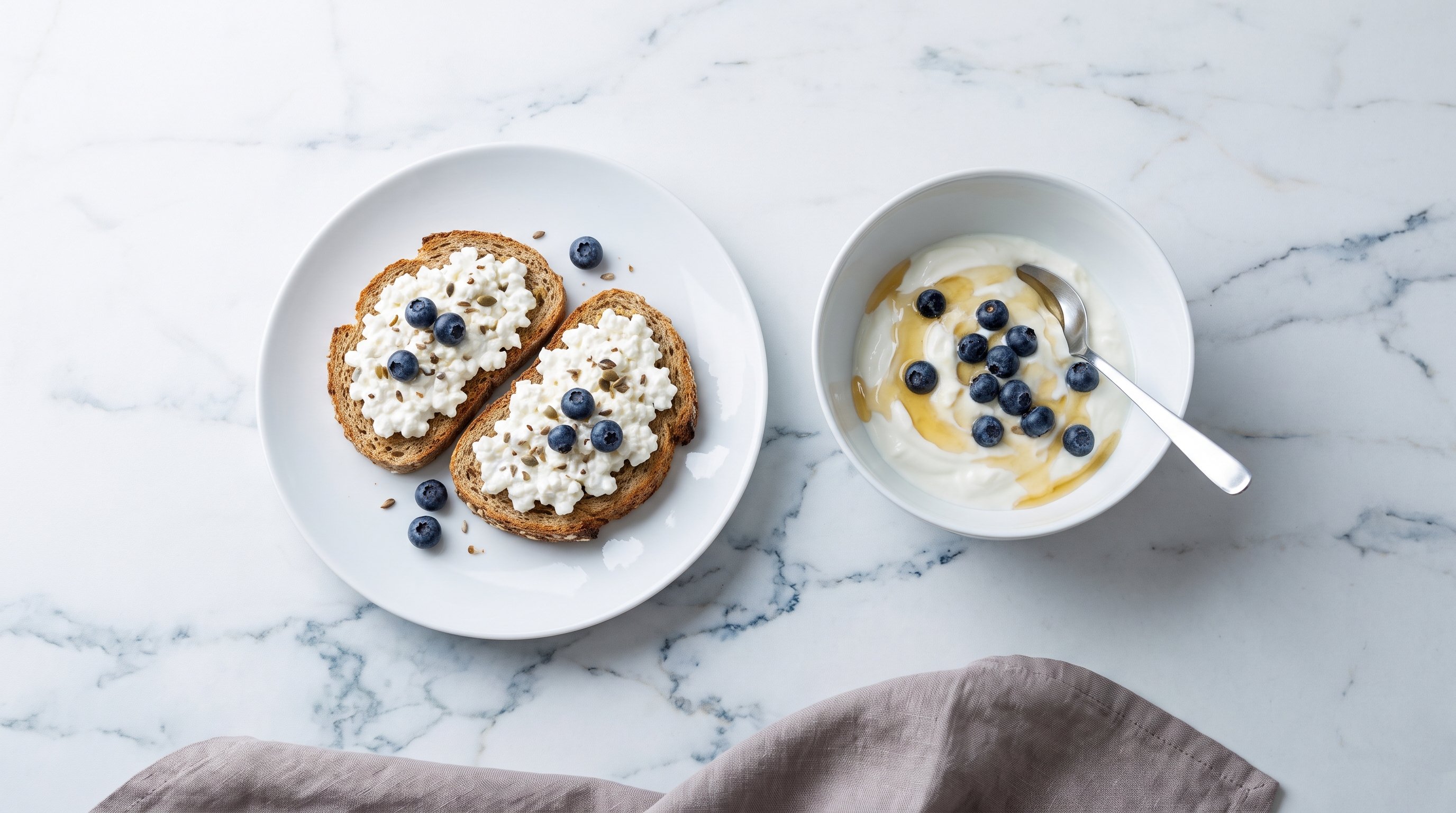
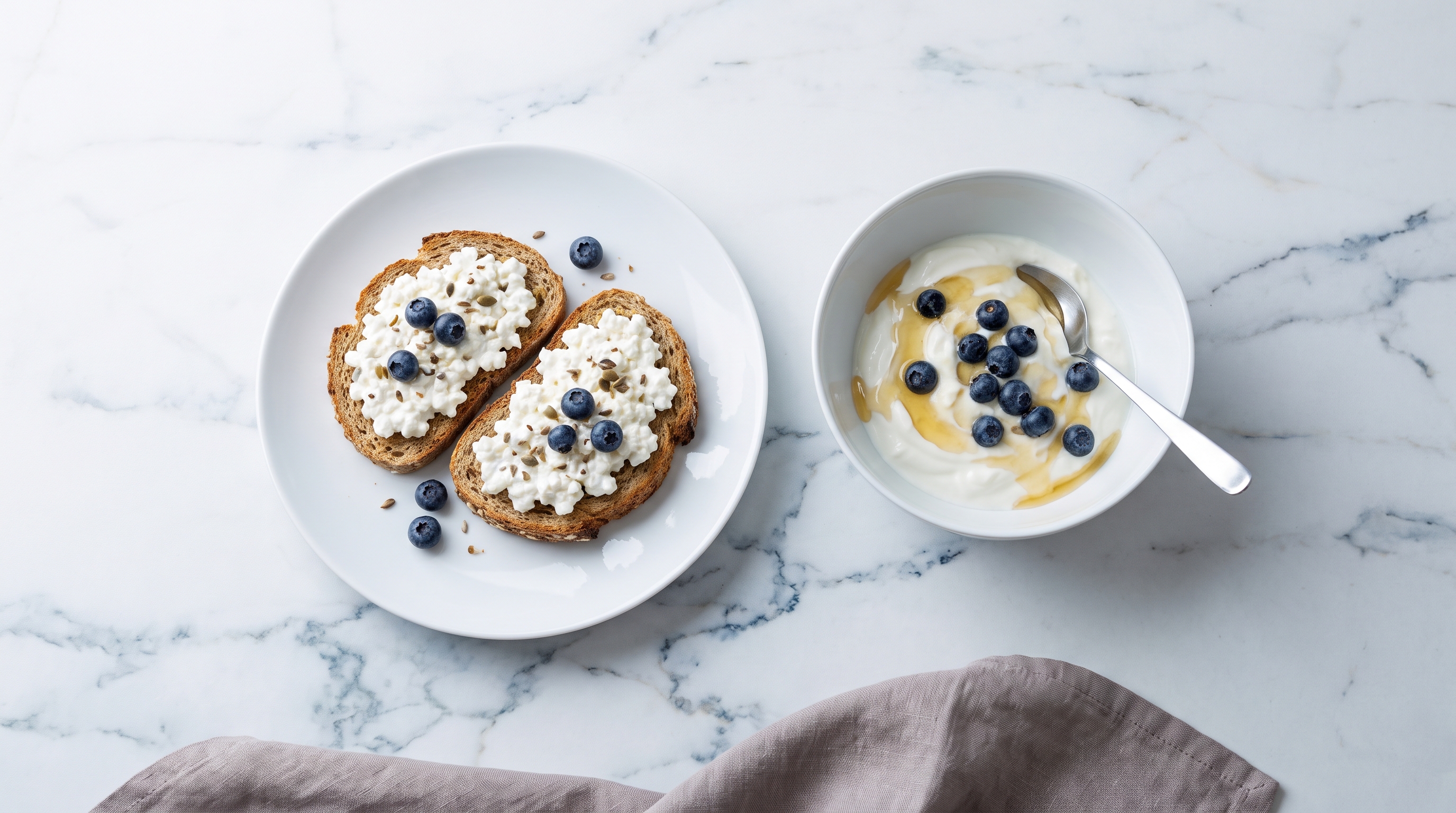
- Breakfast - scrambled eggs with a side of cottage cheese on toast
- Mid-morning - a handful of almonds and a boiled egg
- Lunch - chicken or tofu stir-fry over rice, with extra beans mixed in
- Afternoon - Greek yoghurt with berries
- Dinner - salmon or lentils with vegetables and a grain side
None of this requires a new skill or a special shop. It's the same meals most people already eat, with one protein-rich item added or swapped in at each sitting.
How Much Protein Actually Moves the Needle
Spreading It Across the Day
A single huge protein meal is harder to hit than four or five smaller protein hits spaced through the day. Aiming for a palm-sized portion of a protein source at each meal is a simpler target than trying to count grams in your head.
| Food | Typical Portion | Protein Per Portion |
|---|---|---|
| Eggs | 2 large eggs | about 12g |
| Greek yoghurt | 170g pot | about 17g |
| Chicken breast | 100g cooked | about 31g |
| Lentils | 200g cooked | about 18g |
| Cottage cheese | 100g | about 11g |
Add up two or three of these across a day and the total climbs past what most people start with, no counting app required for the first few weeks.
Why Small Food Swaps Beat a Full Diet Rebuild
The harder route is ripping up every meal and starting a strict new protein-focused diet from scratch. It looks impressive on day one and falls apart by day ten, because nobody sustains a total overhaul while also working, cooking, and living a normal week.
The easier route is substitution: swap white bread for a higher-protein wrap, add beans to a pasta sauce, choose yoghurt over a pastry. Each swap is small enough to barely notice, which is exactly why it survives a busy Tuesday.

Restriction asks you to white-knuckle through hunger and cravings. Substitution just quietly changes what's on the plate you were going to eat anyway, which is why it holds up past the first fortnight.
Making Higher Protein Eating Work on a Real Week
Real weeks involve late meetings, tired evenings, and meals grabbed between other things. Higher protein eating has to survive those conditions or it doesn't survive at all.
Keeping two or three protein-rich staples stocked, like eggs, tinned beans, or yoghurt, means there's always a quick add-in even on the nights cooking feels impossible.
This is where a meal plan built around food you already like earns its keep. High.diet lays out tailored high-protein meals so the thinking is done before the hungry, tired version of you opens the fridge.
Adjusting Protein Targets to Fit Different Situations
If You're Just Starting Out
Start by adding one protein source to the meal you already eat least carefully, often breakfast. One change held consistently beats five changes abandoned by Wednesday.
If You're Busy and Short on Time
Lean on foods that need zero prep: tinned fish, pre-cooked chicken, yoghurt pots, boiled eggs made in batches. Convenience protein is still protein.
If You're Older and Managing Appetite Changes
Smaller, more frequent protein-containing snacks can be easier to manage than three large meals. Soups with added lentils or beans, or a milky drink with added yoghurt, keep intake up without needing a big plate of food.
If You're Training or Active
Spacing protein across the day, rather than loading it all at dinner, matches the extra demand from regular movement or workouts. A post-training snack with a protein source added is a simple habit to build in.
What Changes Across the First Few Weeks of Eating More Protein
The first few days are the easiest to overthink and the easiest to abandon. Expect the new habits to feel deliberate at first, like you're thinking about food more than usual.
That fades once the swaps become automatic, meaning yoghurt instead of a biscuit stops being a decision and just becomes what you reach for.
Most people who quit don't quit because protein is hard to eat, they quit because they tried to change everything at once and ran out of willpower before the habit had time to settle.
Building a Higher Protein Routine With High.diet
Working out protein targets, portion sizes, and what to actually cook is the part that burns people out before the habit forms. High.diet handles that groundwork by building a high-protein meal plan around food you already like, so the daily decisions are already made.
Alongside the meal plan, keeping water, steps, and weight tracked in one place makes it easier to see that the small swaps are adding up, rather than guessing.
Build Your Protein Diet
Protein Focused Eating
Turning Today's Lunch Into a Higher Protein Habit
Pick one meal today and add a single protein source to it, an egg, a scoop of yoghurt, a handful of beans. That one swap is the whole habit in miniature, and it's the version that actually survives a normal week.
High.diet can take over the planning from there, turning one swap into a full day, then a full week, without you having to work out the grams yourself.
FAQ
There's no fixed timeline, and it depends on what you're hoping to notice, whether that's feeling fuller between meals or supporting training. Consistency across weeks matters more than any single high-protein day.
Eggs, tinned beans, lentils, and yoghurt are some of the cheaper foods in a shop, not the most expensive. Protein doesn't have to mean steak every night to add up.
Plant sources like lentils, beans, tofu, and dairy such as yoghurt and cottage cheese all count toward the same total. Mixing plant and animal sources across the week is a normal way to hit a higher target.
That's normal, and it's why small swaps work better than strict rules you have to police constantly. High.diet keeps meal plans and tracking in one place, so getting back on track after a slip is a quick reset rather than starting over.
Share this post