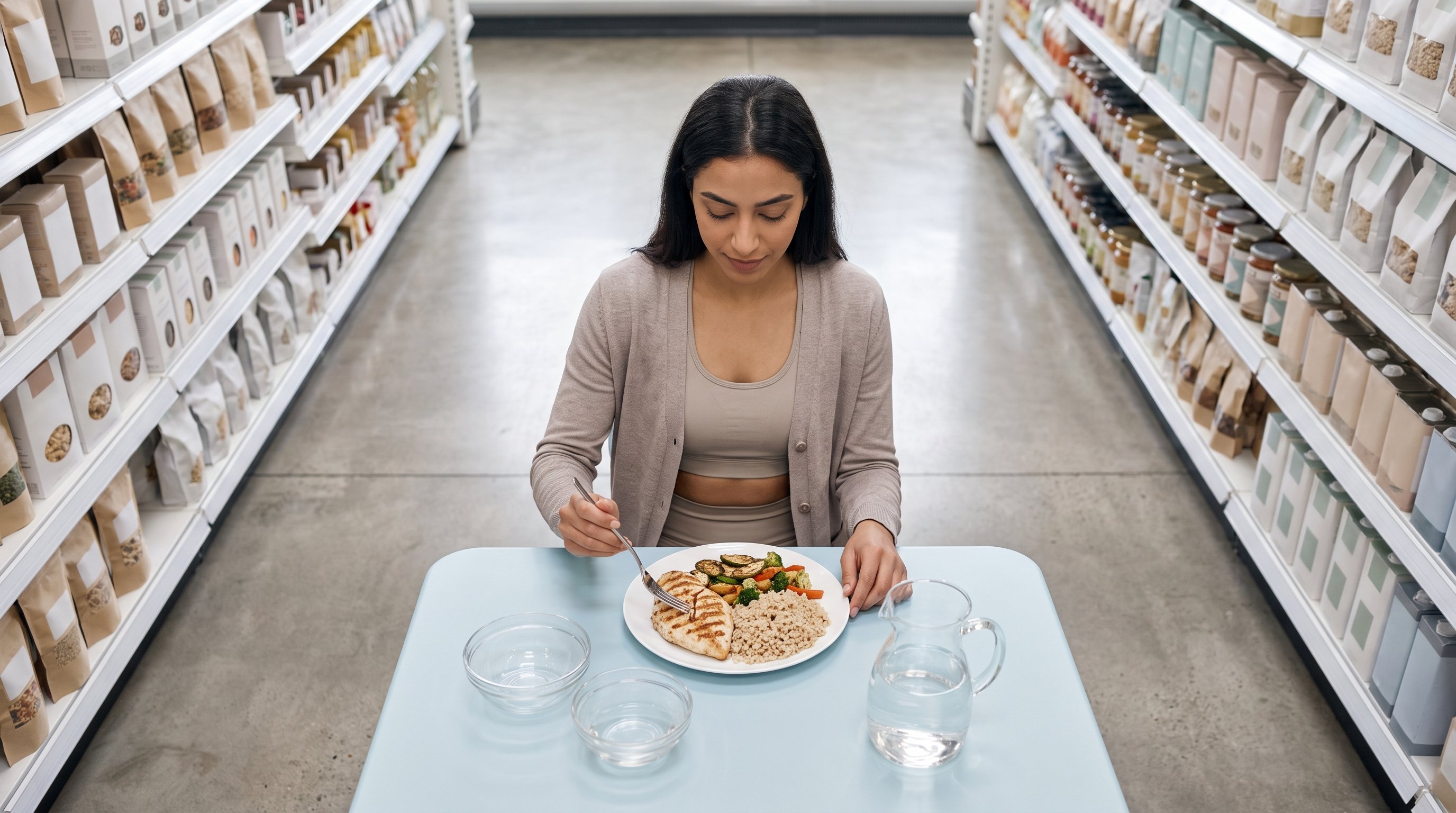
Foods for Muscle Growth: What to Actually Put on Your Plate
By:Author:High.diet Editorial
Updated on:October 20, 2026
- Does Eating More Protein Actually Build Muscle?
- Whole Food Protein Versus Supplement Shakes
- Why Everyday Protein Beats a Complicated Food Plan
- Adjusting Protein Choices to Different Daily Routines
- Making Protein-Focused Eating Fit a Normal Week
- No, There's No Food That Builds Muscle on Its Own
- Letting High.diet Simplify Your Muscle-Building Plate
- Picking Tonight's Plate With Muscle Growth in Mind
The best foods for muscle growth are the ones with enough protein that you'll actually eat again tomorrow - think eggs, chicken, fish, beans, yoghurt, and tofu, paired with carbs and fat to cover the rest of your energy needs.
Muscle tissue is built from amino acids, and your body pulls those from the protein you eat across the day. Training creates the signal to build; food supplies the material - skip one and the other does far less.
This guide covers which foods actually matter, how much protein is worth aiming for, why simple food choices beat a complicated supplement cupboard, and how to make it fit a normal week without overhauling everything you eat.
Does Eating More Protein Actually Build Muscle?
Training breaks down muscle fibres; protein provides the amino acids used to repair and reinforce them. Without enough protein coming in, the body has less raw material to work with, no matter how hard the workout was.
A rough, commonly used target is somewhere around 1.6 to 2.2 grams of protein per kilogram of bodyweight per day for people actively training. For someone at 70kg, that lands between roughly 112g and 154g a day - spread across three or four meals, that's about 28g to 38g per meal.
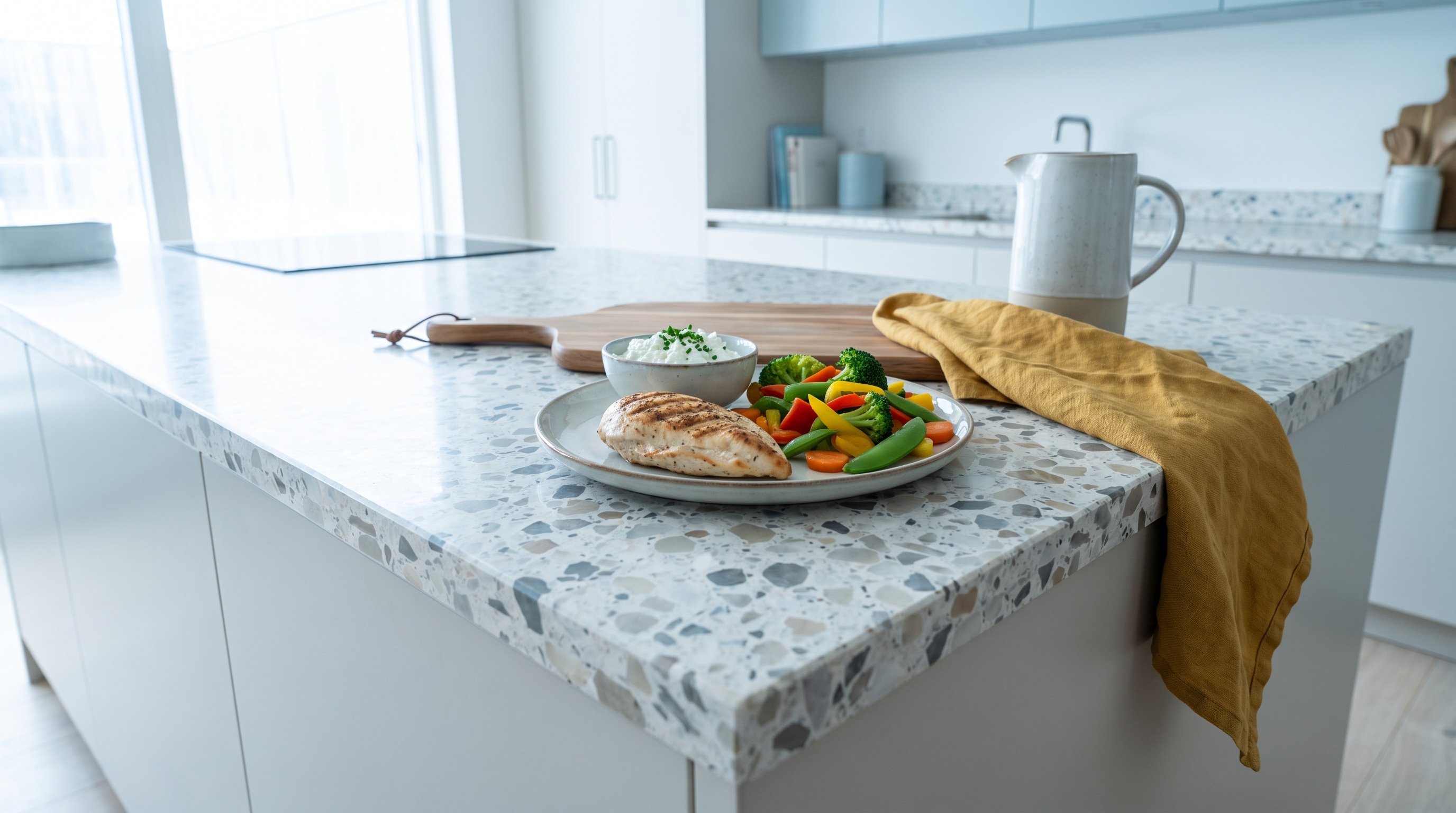
That's doable with ordinary food: a 150g chicken breast carries around 35g of protein, three eggs carry around 18g, and a cup of Greek yoghurt adds another 15g to 20g. You don't need a specialist product to hit the number - you need a plate that has protein on it most of the time.
Whole Food Protein Versus Supplement Shakes
Most people weighing up foods for muscle growth land on the same question: cook real food or rely on a shake. Both can supply protein - the difference is mostly cost, convenience, and whether the rest of the meal pulls its weight too.
| Food or Drink | Protein | What Else It Brings | Typical Cost |
|---|---|---|---|
| Chicken breast (150g) | ~35g | Zero carbs, low fat | Moderate |
| Eggs (3 large) | ~18g | Fat, choline included | Low |
| Whey shake (1 scoop) | ~24g | Minimal else included | Low per serve |
| Greek yoghurt (200g) | ~20g | Calcium, probiotics | Low |
| Lentils (1 cup cooked) | ~18g | Fibre, slow carbs | Low |
A shake is quick and consistent, but whole foods bring fibre, micronutrients, and the kind of fullness that keeps you from raiding the snack cupboard an hour later. Neither is wrong - the point is picking what you'll actually repeat.
Why Everyday Protein Beats a Complicated Food Plan
A diet built on rare ingredients or long prep lists tends to collapse the first week life gets busy. A diet built on chicken thighs, tinned beans, eggs and yoghurt survives a bad Tuesday because none of it requires planning ahead.
The harder alternative is treating muscle-building nutrition like a strict protocol - weighing every gram, buying niche products, cutting out entire food groups. It can work for a week or two, but it rarely survives contact with an ordinary life.
The easier route wins because it's repeatable: swap white bread for wholegrain, add an egg to breakfast, keep tinned fish in the cupboard. Small, boring swaps beaten consistently outperform a strict plan abandoned by week three.

Adjusting Protein Choices to Different Daily Routines
If You're New to Tracking Protein
Start by noticing what's already on your plate before adding anything new. A simple first step is making sure each main meal has one obvious protein source - an egg, some chicken, a scoop of lentils - rather than trying to hit an exact gram target on day one.
If You're Short on Time
Lean on foods that need no prep: tinned fish, pre-cooked chicken, Greek yoghurt, a handful of nuts. None of these require a chopping board, which matters more than it sounds on a day with no spare minutes.
If You're Training Later in Life
Protein needs don't disappear with age, and spreading it evenly across meals - rather than loading it all into dinner - tends to be easier to manage and easier to digest. Softer protein sources like eggs, fish, and yoghurt are worth leaning on if chewing or appetite is an issue.
If You're Eating Plant-Based
Lentils, tofu, tempeh, edamame and beans all carry meaningful protein, and combining a few sources across the day covers the full range of amino acids. It takes slightly more volume of food to hit the same gram target compared with meat or dairy, so bigger portions are part of the plan, not a mistake.
Making Protein-Focused Eating Fit a Normal Week
None of this needs to be complicated once the week actually starts moving. Keep two or three protein staples stocked at all times - eggs, tinned beans, frozen chicken - so a meal is never more than ten minutes away.
This is where a meal plan built around food you already like earns its place. High.diet puts together a tailored high-protein plan so you're not guessing at portions or scrambling for ideas at 6pm on a weeknight.
Pairing that with simple tools - logging water, tracking weight, seeing steps in one place - turns protein-focused eating from a thing you think about into a thing that just happens.
No, There's No Food That Builds Muscle on Its Own
No single food - not chicken, not a shake, not a specific supplement - builds muscle by itself. Muscle grows from the combination of enough total protein, enough total calories, and a training stimulus that asks the muscle to work.
Food without training gives you the raw material and nowhere to send it. Training without enough food gives you the signal and nothing to build with - both pieces have to show up.
The honest version is less exciting than a magic ingredient but more useful: eat enough protein across the day, train consistently, and give it time. There's no shortcut hiding in a specific food.
Letting High.diet Simplify Your Muscle-Building Plate
Figuring out protein targets, meal timing, and what to actually cook can turn into a second job if you're doing it from scratch every week. High.diet takes that off your plate - literally - with a high-protein meal plan built around what you'll realistically eat.
Alongside the meal plan, High.diet includes light exercise sessions to support muscle-focused training, progress tracking for weight and water, and nutrition guides written to answer exactly this kind of question.
Build Your Protein Diet
Protein Focused Eating
Picking Tonight's Plate With Muscle Growth in Mind
You don't need to rebuild your whole kitchen to eat for muscle growth - you need one protein source on tonight's plate and a plan to repeat that tomorrow. Start there and let the rest build up gradually.
If you'd rather not plan every meal from scratch, High.diet can take care of the structure while you take care of the eating.
FAQ
A common range is roughly 1.6 to 2.2 grams per kilogram of bodyweight per day, spread across meals rather than eaten in one sitting. For a 70kg person, that's about 112g to 154g a day from food like eggs, chicken, fish, beans and dairy.
Yes - lentils, beans, tofu, tempeh and dairy can all supply enough protein, though plant sources often need slightly larger portions to hit the same gram total. Combining a few plant proteins across the day covers the full amino acid range.
No - whole food can cover the full protein target for most people, and a shake is just a convenient extra, not a requirement. High.diet's meal plans are built around everyday food first, with supplements treated as optional rather than essential.
Muscle building is a gradual process, and food alone won't speed it up beyond what training and recovery allow. Staying consistent with both protein intake and training over time matters more than any single week's results.
Share this post