High Protein Dinner Ideas: How to Build Easy Meals for a Real Week
By:Author:High.diet Editorial
Updated on:October 19, 2026
- Does Building Dinner Around Protein Actually Help?
- What Makes a Dinner Plate Actually High Protein
- How Much Protein Belongs on the Dinner Plate
- Why Cooking at Home Beats Relying on Takeaway
- Making High Protein Dinners Work on a Busy Week
- No, There's No Dinner That Burns Fat Overnight
- Three Factors That Decide If Dinner Hits Target
- Mistakes That Quietly Undo a Protein Dinner Habit
- Letting High.diet Plan Tonight's Dinner for You
- Turning Tonight's Dinner Into Tomorrow's Default
High protein dinner ideas don't need to be complicated: pick one protein source, one or two vegetables, and a carb if you want one, then build around that protein first.
Dinner is usually the meal with the most room to add protein because it's rarely rushed the way breakfast is, and it's the meal most people cook from scratch.
This guide covers the maths behind protein-first dinners, how much actually belongs on the plate, a table to copy this week, and the mistakes that quietly undo a good dinner habit.
Does Building Dinner Around Protein Actually Help?
Protein takes more energy to digest than carbs or fat, and it fills you up for longer per gram, so a protein-first dinner tends to leave less room for extra snacking afterward.
Here's the arithmetic: a dinner built around 150g of chicken breast gives roughly 35-40g of protein, compared with maybe 10-15g from a pasta-heavy plate of the same size.
That gap matters across a week. Seven dinners at 35g of protein instead of 12g adds up to around 160g more protein by Sunday, without changing anything else about how much you eat.
No single dinner fixes a day's intake on its own. What it does is make the day's total easier to hit without obsessing over every other meal.
What Makes a Dinner Plate Actually High Protein
The Protein Does the Heavy Lifting First
Start by choosing the protein source before anything else goes on the plate, since everything else gets built around the space and cooking method it needs.
Chicken thighs, white fish, tofu, eggs, lentils and lean mince all work the same way: they anchor the meal, so the vegetables and carbs become the supporting cast rather than the main event.
Volume and Variety Keep It From Feeling Like a Diet
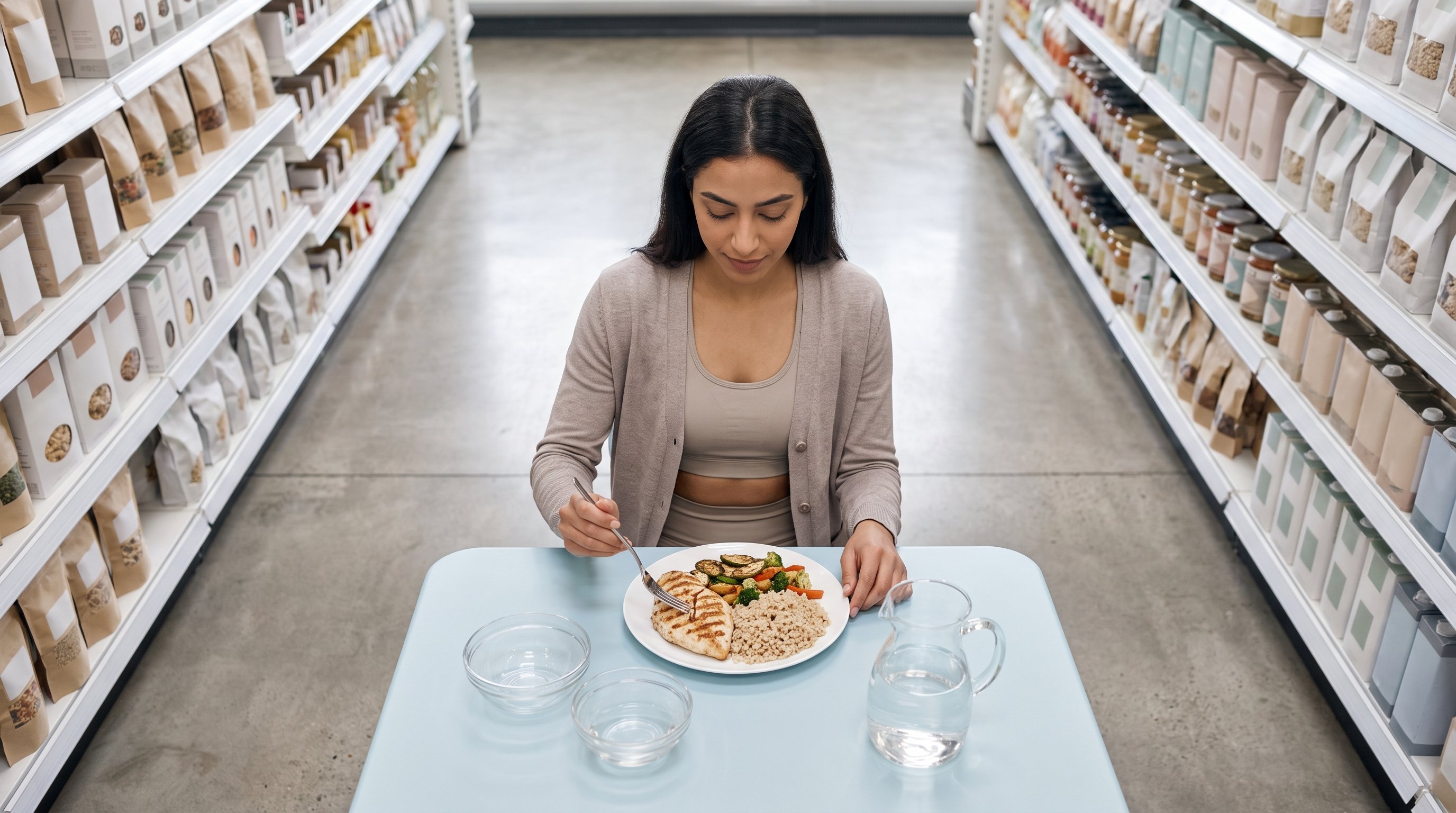
A plate that's half vegetables, a quarter protein and a quarter carb looks and feels like a normal dinner, not a restriction.
Rotating between three or four protein sources across the week stops dinner from feeling repetitive, which is often the real reason a high protein habit falls apart before the maths ever becomes the problem.
How Much Protein Belongs on the Dinner Plate
Most adults do well aiming for 30-40g of protein at dinner, which is roughly a palm-and-a-half of meat, fish or tofu, or two to three eggs plus a side of lentils or beans.
Matching Portions to Protein Sources
Different foods need different portion sizes to hit the same protein target, so it helps to know roughly what counts as a dinner-sized serving.
| Food | Dinner Portion | Protein Roughly |
|---|---|---|
| Chicken breast | 150g cooked | About 35g |
| Salmon fillet | 150g cooked | About 30g |
| Firm tofu | 200g | About 20g |
| Lentils, cooked | 250g | About 18g |
| Lean beef mince | 150g cooked | About 33g |
Mixing two sources, like tofu with lentils, is a simple way to hit a similar total without doubling any single portion.
Why Cooking at Home Beats Relying on Takeaway
A takeaway dinner is easier in the moment, but it rarely lets you control the protein-to-carb ratio, and most menus are built around volume and flavour rather than protein content.
Cooking at home, even a simple pan-fried protein with frozen vegetables, puts the protein decision back in your hands instead of a kitchen you can't see into.
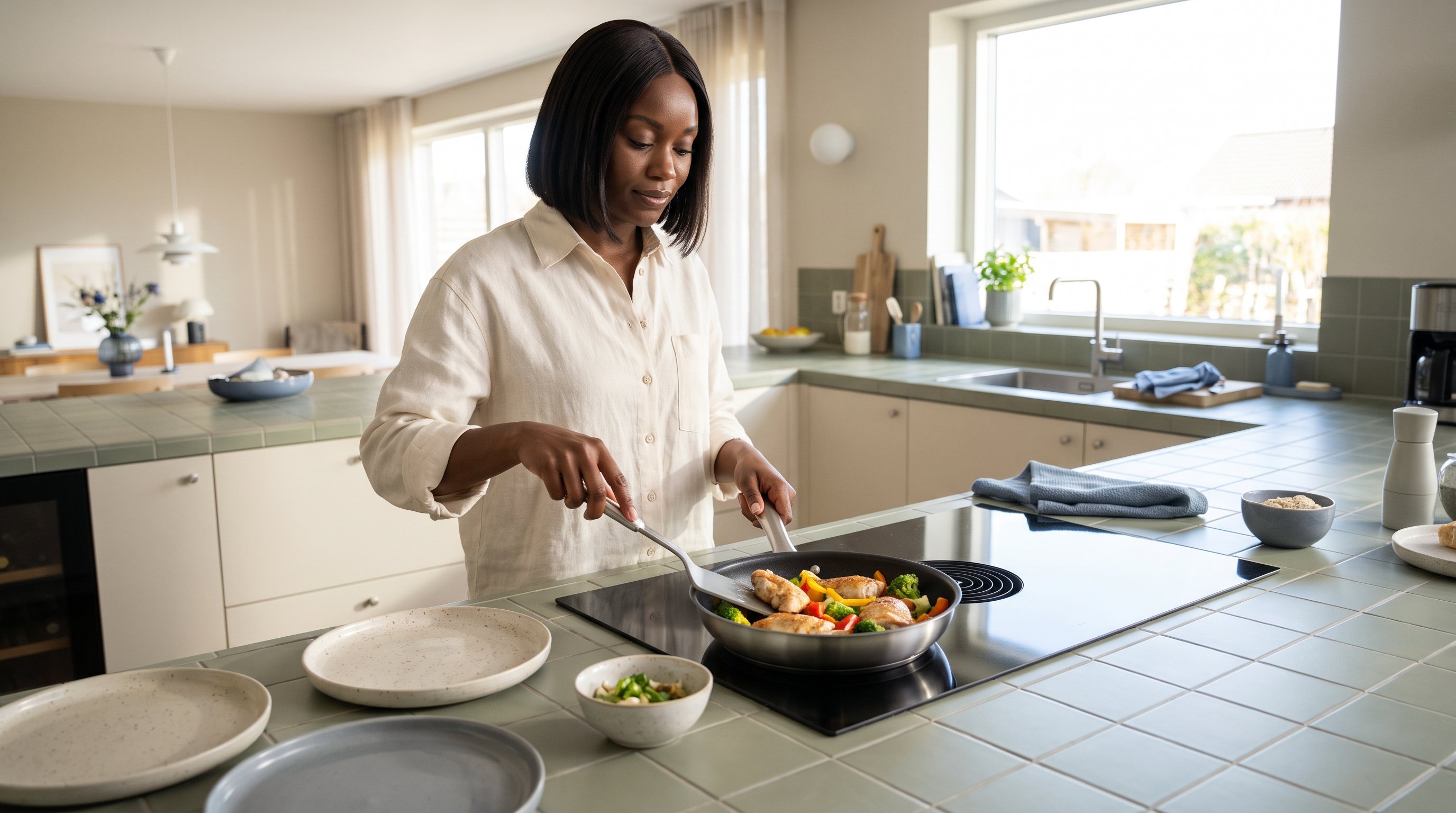
The adherence argument isn't about willpower. It's that a 15-minute home dinner with a known protein source is repeatable five nights a week, while a carefully chosen takeaway order is something you have to re-decide every single time.
Making High Protein Dinners Work on a Busy Week
The easiest dinners are the ones that don't require a decision every evening: a short rotation of three or four meals you already know how to cook, repeated across the week.
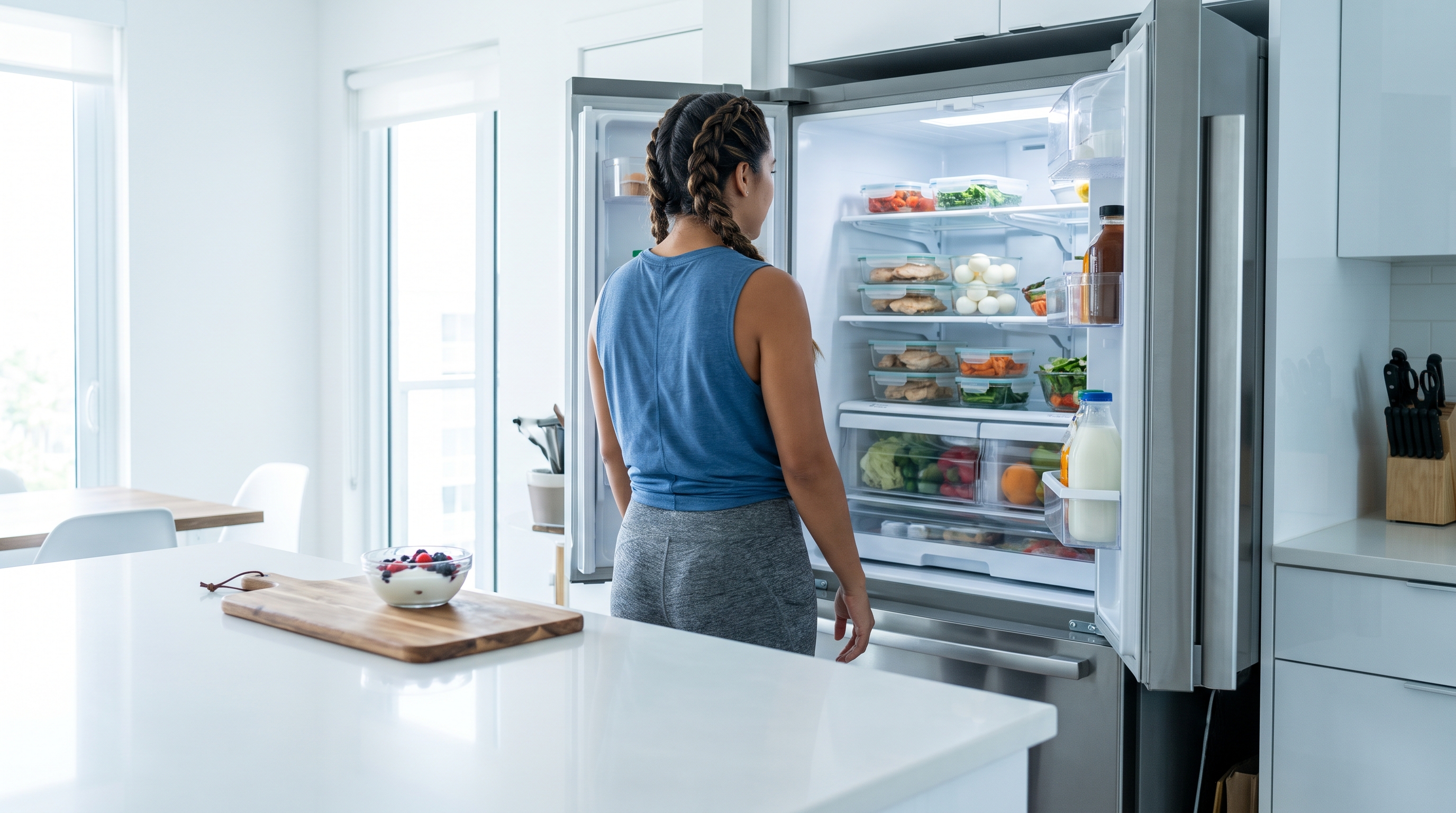
Batch-cooking a protein on Sunday, like a tray of baked chicken thighs or a pot of lentils, means dinner becomes an assembly job rather than a cooking job on a Tuesday night.
This is where a tailored meal plan helps, since High.diet builds a plan around food you already like, so the protein target is handled before you've even opened the fridge.
No, There's No Dinner That Burns Fat Overnight
No dinner, however high in protein, burns fat while you sleep or targets fat from any one part of the body. That's not how digestion or fat loss works.
What a high protein dinner actually does is simpler and less dramatic: it keeps you fuller for longer, supports the muscle you're building or keeping, and makes it easier to hold a calorie deficit over time if that's your goal.
The real answer is consistency across weeks, not any single meal doing something magical.
Three Factors That Decide If Dinner Hits Target
A handful of things decide whether a high protein dinner actually lands at 30g or more, and they matter more than any specific recipe.
What Actually Moves the Needle
- Protein source size - a palm-sized portion of meat, fish or tofu is the single biggest factor, far more than any sauce or seasoning choice.
- Plate ratio - keeping protein at roughly a quarter of the plate stops carbs or sauces from quietly taking over the calorie budget.
- Repeatability - a dinner you'll actually make again next week beats a complicated one-off every time, because the weekly total is what counts.
Mistakes That Quietly Undo a Protein Dinner Habit
Treating the Side Dish As an Afterthought
Carbs and sauces often end up being the biggest part of the plate by accident, simply because the protein was measured and the rest wasn't.
Serve the protein first and build the rest around what's left on the plate, not the other way round.
Skipping Dinner Prep and Relying on Willpower
Deciding what's for dinner at 6pm on an empty stomach is how takeaway wins most nights.
Having one or two proteins already cooked in the fridge removes the decision entirely.

Using the Same Three Meals Until You're Sick of Them
Repetition helps consistency, but the same exact meal every single night is how a good habit quietly dies.
Rotate the protein or the sauce every few days so it still feels like food you chose, not food you're enduring.
Forgetting Vegetables Entirely
A plate that's all protein and carb might hit the protein number but leaves dinner feeling heavy and short on fibre.
Half a plate of vegetables, even frozen ones microwaved in five minutes, rounds the meal out without extra effort.
Letting High.diet Plan Tonight's Dinner for You
Deciding what to cook every single night is often the actual barrier, not the cooking itself or the protein maths.
High.diet builds a tailored high-protein meal plan around food you already like, so dinner stops being a nightly decision and becomes something you just follow.
It also keeps water, steps and weight in one place, so the dinner habit sits alongside the rest of the day instead of standing alone.
Build Your Protein Diet
Protein Focused Eating
Turning Tonight's Dinner Into Tomorrow's Default
Pick one protein source tonight, make it the centre of the plate, and see how much easier the rest of the meal falls into place around it.
Do that most nights for a few weeks and it stops being a plan you're following and becomes just how dinner works, with High.diet handling the details if you'd rather not think about them.
FAQ
Most adults do well with 30-40g of protein at dinner, roughly a palm-and-a-half of meat, fish or tofu. That's enough to support fullness and muscle without needing to weigh every gram.
Eggs, lentils, tinned fish and frozen chicken thighs are all cheap, high protein options that cook in under 20 minutes. Expense usually comes from variety and brand choice, not the protein itself.
That's exactly why dinner is worth building around protein first, since it's often the one meal with enough time to actually cook. A tailored meal plan from High.diet can take the daily decision out of it so the habit holds even on a rushed week.
It's usually repetition fatigue, not a lack of discipline, when the same two or three dinners get boring fast. Rotating proteins and sauces every few days keeps the plate interesting enough to stay with.
Share this post