High Protein Breakfast: What It Looks Like on a Real Morning
By:Author:High.diet Editorial
Updated on:October 19, 2026

- Building Your First High Protein Breakfast Step by Step
- How Much Protein Actually Belongs at Breakfast
- Making Protein Breakfasts Work on a Rushed Morning
- A Four-Day Starting Point for Protein Breakfasts
- What Changes in the Weeks After You Start
- Mistakes That Quietly Undo a Protein Breakfast Habit
- Building a High Protein Breakfast Routine With High.diet
- Making This Morning the One That Actually Changes
A high protein breakfast is simply a morning meal built around 25-40g of protein rather than mostly carbohydrate - think eggs, yoghurt, or a protein shake instead of toast alone.
It works because protein takes longer to digest than refined carbs, which means less of a mid-morning crash and an easier time holding to your calorie target for the rest of the day.
This guide covers how to build one step by step, how much protein actually makes sense, a simple starter plan, and the mistakes that quietly derail the habit.
Building Your First High Protein Breakfast Step by Step
You don't need a new kitchen or a long shopping list to start. Follow these steps in order and the habit forms faster than you'd expect.
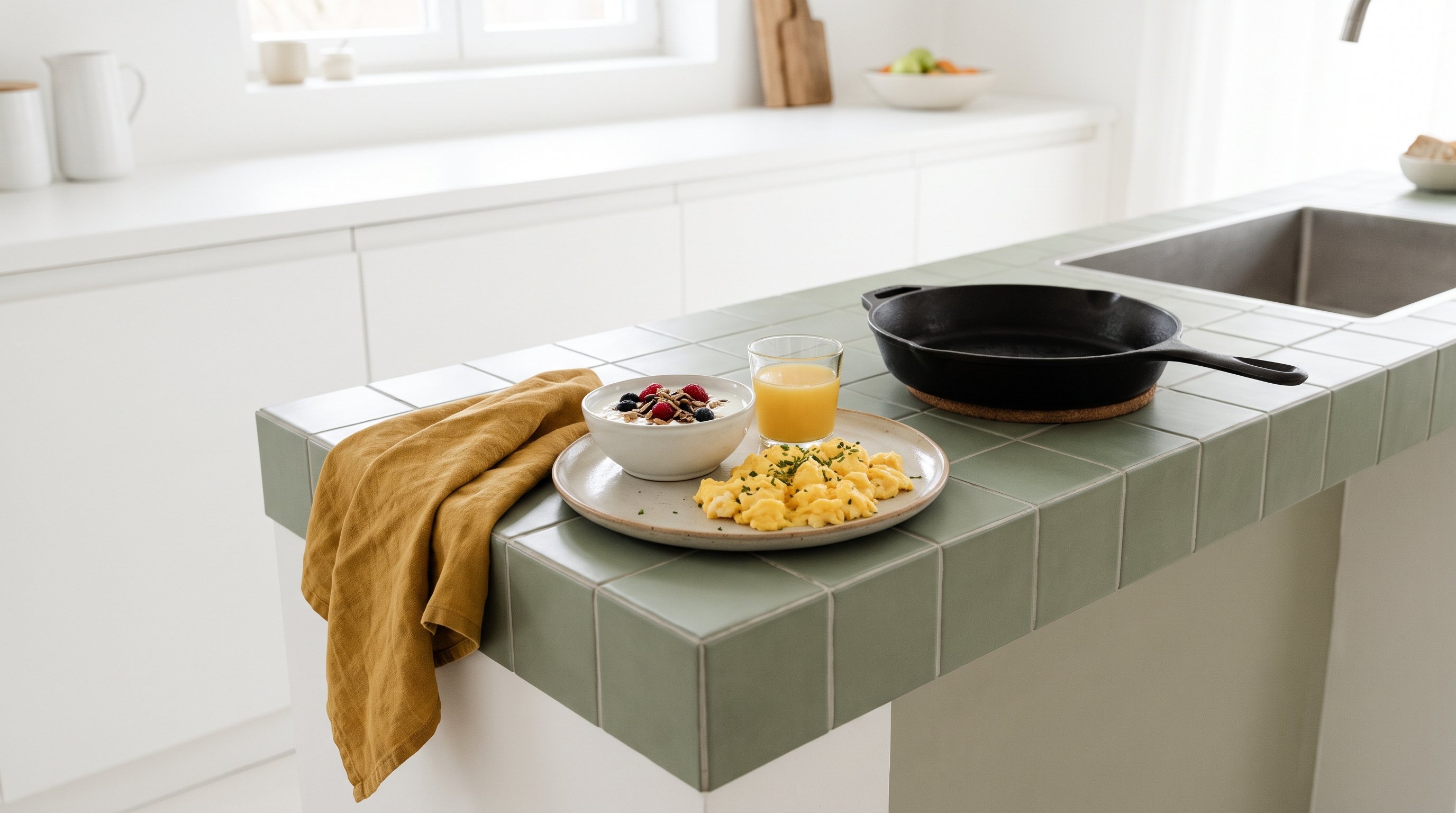
Steps to Build the Habit
- Pick one protein anchor - eggs, Greek yoghurt, cottage cheese, or a protein powder you already like the taste of.
- Add a carb you enjoy - oats, wholegrain toast, or fruit, kept to a normal portion rather than cut out.
- Include some fat - a spoon of nut butter, a few olives, or a drizzle of olive oil for staying power.
- Prep the night before - overnight oats, boiled eggs, or a pre-measured shake tub saves the morning scramble.
- Eat within your normal window - there's no need to shift mealtimes, just swap what's on the plate.
- Repeat the same two or three options - rotating a short list beats reinventing breakfast daily.
- Adjust portions to your appetite - more protein doesn't mean more food, just a different balance on the plate.
How Much Protein Actually Belongs at Breakfast
Finding a Number That Fits Your Morning
Most mornings can comfortably carry 25-40g of protein without the meal feeling heavy or unusual. The table below shows what that looks like using foods most people already have in the fridge.
| Food | Protein |
|---|---|
| 3 whole eggs | about 18g |
| 200g Greek yoghurt | about 20g |
| 1 scoop protein powder | about 20-25g |
| 100g cottage cheese | about 11g |
| 2 eggs plus yoghurt | about 32g |
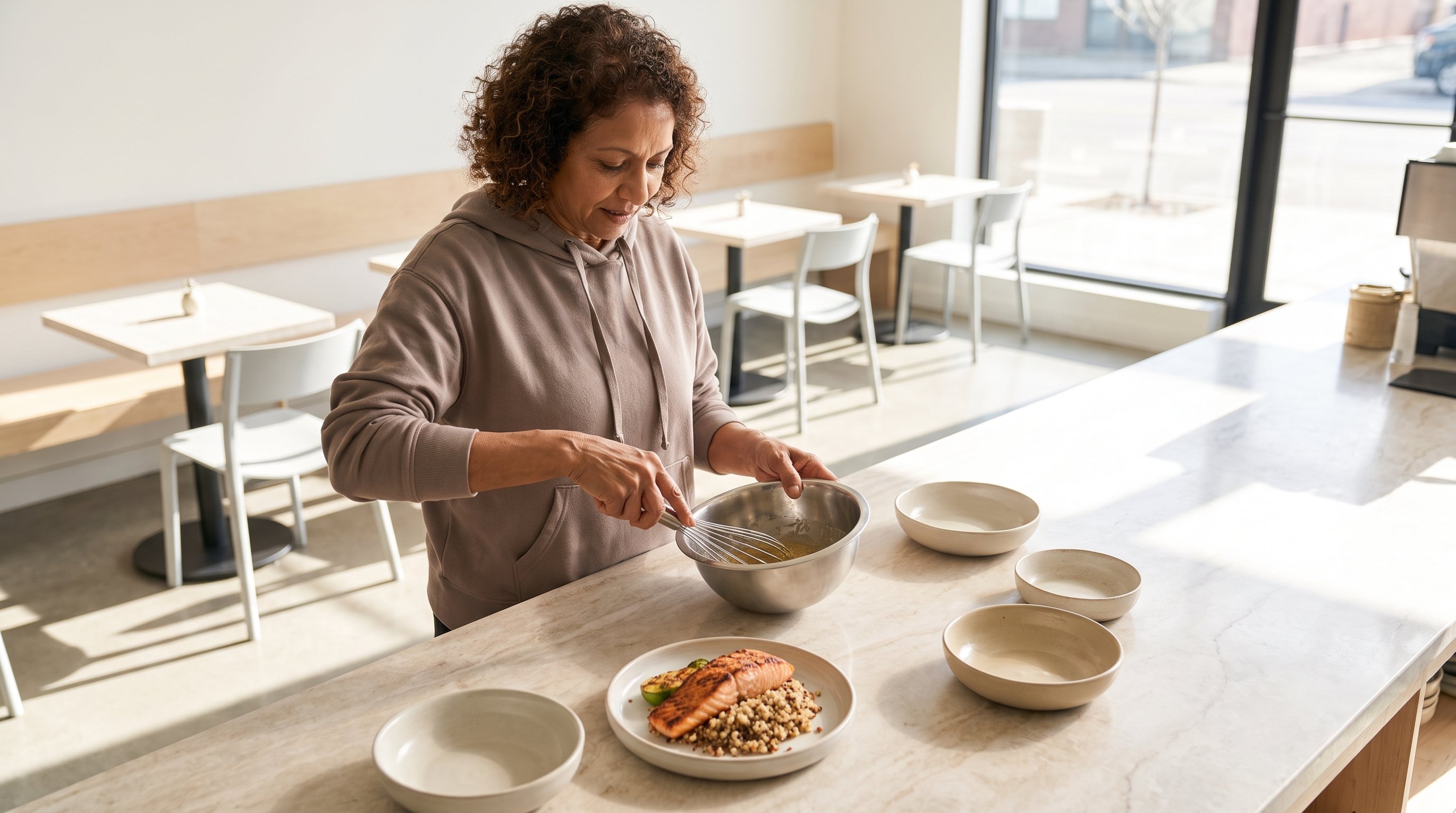
Mixing two foods, like eggs and yoghurt, gets you to a solid number without needing a huge portion of any single item.
Making Protein Breakfasts Work on a Rushed Morning
The real obstacle isn't knowing what to eat - it's having it ready before the day takes over. A breakfast that needs ten minutes of cooking will lose to a rushed morning more often than not.
Grab-and-go options close that gap: a pre-made shake, overnight oats in a jar, or boiled eggs from the night before all take seconds to eat.
A meal plan built around food you already like makes this easier to repeat, and High.diet's tailored plans are built with exactly that kind of morning in mind.
A Four-Day Starting Point for Protein Breakfasts
The order matters more than the exact foods. Start simple, then add variety once the habit is holding.
| Day | Focus |
|---|---|
| Day 1 | Pick one easy anchor, eat it as is |
| Day 2 | Add a carb and fat you enjoy |
| Day 3 | Prep the night before for speed |
| Day 4 | Rotate in a second breakfast option |
What Changes in the Weeks After You Start
The first few mornings feel deliberate, almost like homework. That fades once the shopping list and the routine settle in.
Most people find the habit sticks somewhere after the early weeks, once the prep step stops feeling like extra effort.
This is also where motivation often drops - not because the breakfast stopped working, but because novelty wore off and the routine needs to run on its own.
Mistakes That Quietly Undo a Protein Breakfast Habit
Skipping Breakfast on Busy Days
Skipping it entirely on the hardest mornings undoes the consistency that makes the habit work. Keep one near-zero-effort backup, like a pre-made shake, for exactly those days.
Chasing a Huge Protein Number
Trying to hit 50g at breakfast often means forcing down food you don't enjoy. A steady 25-40g that you'll actually eat again tomorrow beats a one-off high number.
Cutting All Carbs From the Plate
Removing carbs entirely makes the meal harder to sustain and doesn't change the point of adding protein. Keep a normal portion of oats, toast, or fruit alongside it.
Relying on Memory Instead of Prep
Deciding what to eat at 7am rushed is how old habits creep back in. Prep the night before, even if it's just pulling yoghurt and eggs to the front of the fridge.
Building a High Protein Breakfast Routine With High.diet
Deciding what to eat every single morning is the part that wears people down, not the eating itself. A tailored meal plan removes that daily decision by giving you breakfast options built around your own preferences and protein target.
High.diet pairs that meal plan with progress tracking for water, weight, and steps, so the breakfast habit sits inside a routine you can actually see holding together day to day.

Build Your Protein Diet
Protein Focused Eating
Making This Morning the One That Actually Changes
Pick one protein anchor tonight and set it out before bed - that's the whole first step. The rest of the routine builds from there, one repeated morning at a time.
High.diet can take the guesswork out of what goes on the plate, but the first move is still yours to make tomorrow.
FAQ
It can make the day easier to manage because protein tends to keep you fuller for longer, which can reduce mindless snacking before lunch. It isn't a magic switch - the rest of the day's eating still matters just as much.
Eggs are just one option among several, and rotating with yoghurt, cottage cheese, or a shake avoids the boredom problem entirely. There's no rule that says breakfast has to be the same food every single day.
Most high protein breakfasts need zero cooking at all - yoghurt, a shake, or pre-boiled eggs take seconds to eat. Prepping the night before solves the time problem completely.
It helps more with consistency than with the food itself, since a tailored plan removes the daily decision of what to eat and tracks it alongside water and weight. High.diet is built to fit that kind of daily routine rather than add another thing to manage.
Share this post